
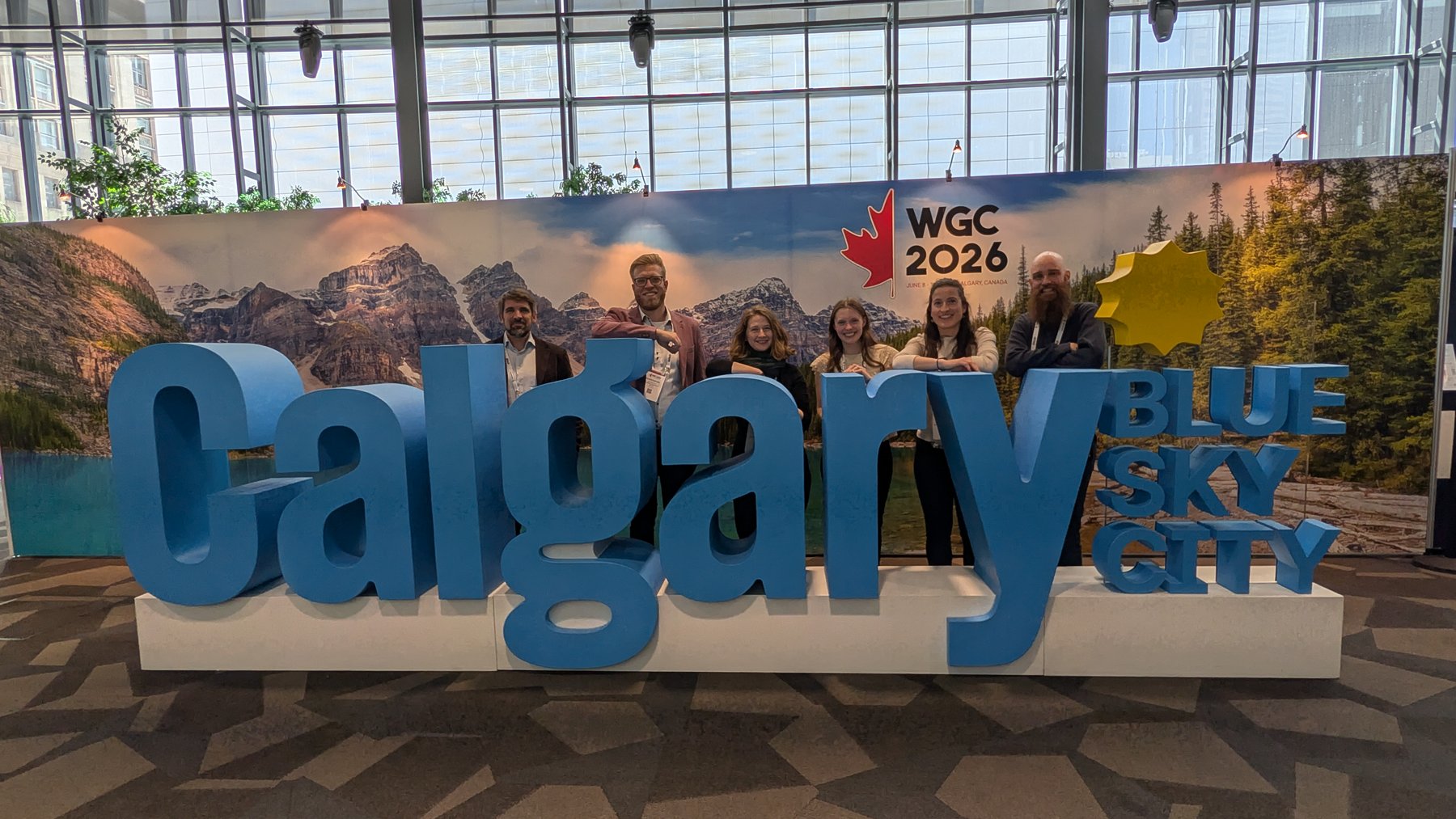
With approximately 2,000 participants from 73 countries and some 850 organizations represented, the conference is considered the world’s most important platform for professional exchange on geothermal energy. From June 8 to 11, 2026, researchers, companies, and leaders from the worlds of politics and industry came together to discuss the industry’s current challenges and future prospects.
Acceptance from an International Perspective: Study Covers Germany, Switzerland, Japan, and Indonesia
Titled “Factors Influencing Geothermal Acceptance: Insights from Germany, Switzerland, Japan, and Indonesia,” Robin Renoth’s presentation focused on the factors that influence public acceptance of geothermal projects—factors that go far beyond technical and economic considerations—in various cultural and political contexts.
In Germany and Switzerland, public perception of new geothermal projects is shaped in particular by the project organization, the structure of the planning and public participation processes, and historical experiences with induced seismicity. In Japan, cultural factors play a particularly significant role: the long tradition of thermal and medicinal springs shapes society’s approach to geothermal energy as well as its trust in project developers and the responsible institutions. In Indonesia, environmental considerations and the role of local communities are key priorities. Furthermore, the results show that agriculture and religious issues are also important factors influencing the public’s assessment of geothermal projects there.
Understanding the social context is crucial
An international comparison makes it clear that successful geothermal projects must meet more than just geological and technical requirements. Equally crucial is an understanding of the social context, which varies significantly from country to country.
Networking with the international geothermal community
In addition to his presentation, Renoth used the WGC as an opportunity to engage in professional exchanges with researchers from various countries. “Although research on the social acceptance of geothermal projects is a relatively niche field, the topic was very much in the spotlight at the World Geothermal Congress. The exchanges with researchers from different countries have opened up new perspectives and provided important insights for the next phase of my doctoral research,” he emphasized. Participation in the conference also highlights the international network of research at HNU and TUM, as well as the growing importance of societal issues for the energy transition.
Contact
Robin Renoth
Research Assistent in the Field of Community Acceptance of Geothermal Energy Projects


