
Second life for cars
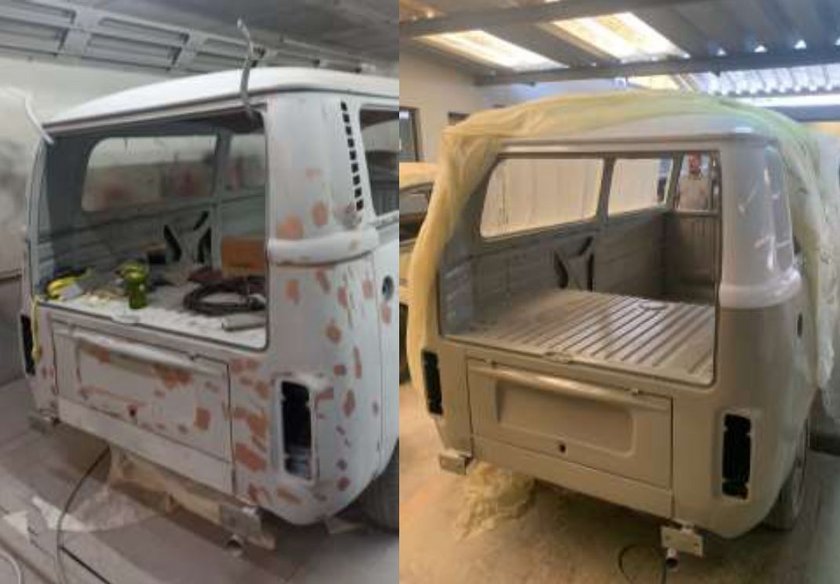
Dispose of old cars at the scrapyard? Far too bad, thought an HNU team - and together with a partner university in Guadalajara, Mexico, developed a concept that gives disused vehicles in Central and South America a second life and thus conserves resources. Here, those responsible talk about the cultural particularities of this project, among other things.

Nominated for the Bavarian-Swabian
Innovation Award Transfer 2024 of the Neu-Ulm University of Applied Sciences
What's it all about?
"It's far too bad to dispose of older cars in the scrapyard; you can give them a second life and thus conserve resources," explains Prof Dr Martin Stirzel. "In Central and South America, a vehicle is a workhorse and its sentimental value is hardly appreciated. The business idea therefore capitalises on the fact that the price level for classic Volkswagen cars and their restoration is lower there than in Europe. In Europe, these vehicles are valued quite differently and can even be optionally equipped with an electric drive and used sustainably for an unlimited period of time. The increasing demand for camper vans for individual leisure activities during the pandemic also provided a tailwind."
The HNU team behind the project
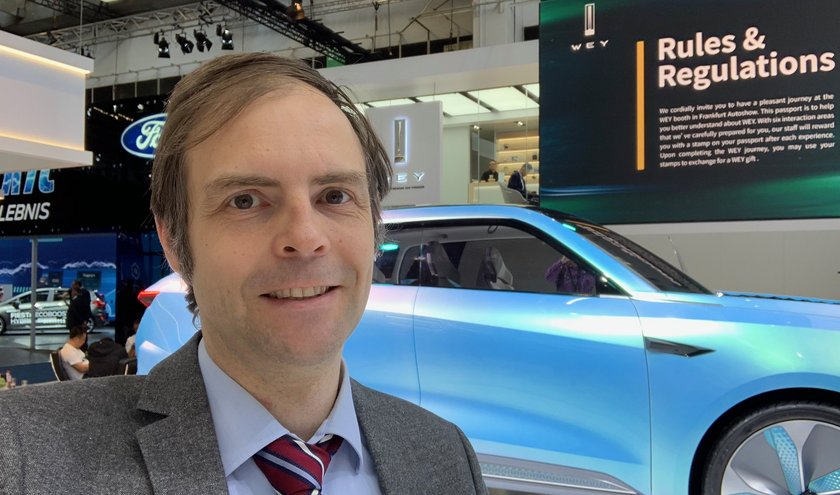
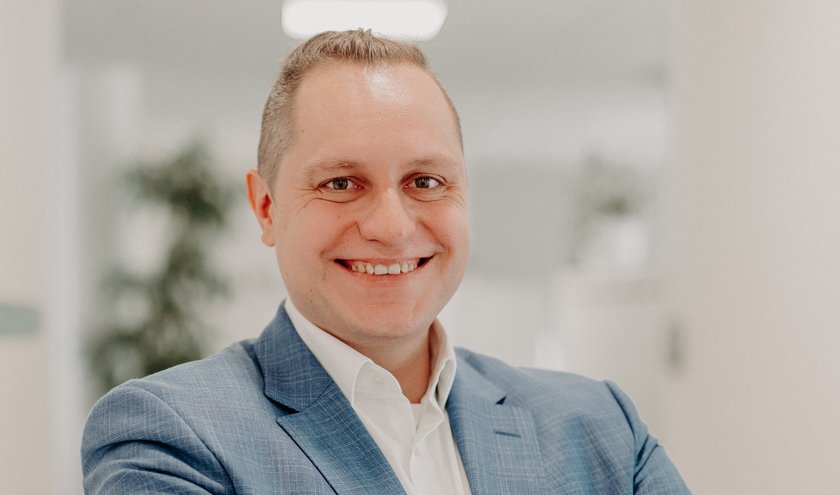
The cooperation partner

The project was developed between HNU students and the partner university in Guadalajara, Mexico. In Mexico, there are local partnerships with two SMEs, and in Germany there are relationships with logistics service providers and the company Voltimer, which converts classic cars to electric drives.
The end result of our practical cooperation is a vehicle that meets the analysed expectations of European consumers - both in terms of the design of the product and in terms of the quality of implementation, as the demands for a lifestyle-oriented product are much higher.
Interview with Prof. Dr. Martin Stirzel
[1] How would you describe your project in three key words?
Global - sustainable - emotional
[2] What is special about your project?
It connects cultures and old, present and future interests with regard to individual mobility.
[3] What does transfer mean to you?
Sharing knowledge, contributing experience and, above all, building a bridge to implementation.
[4] What do you take away from the project - professionally, but also personally?
The courage to rethink, intercultural cooperation, trust in people.


