
The interview partners
Prof. Dr. Patrick Da-Cruz is Professor of Business Administration and Healthcare Management at the Faculty of Healthcare Management at Neu-Ulm University of Applied Sciences (HNU) and Academic Director of the MBA program Leadership and Management in Healthcare.
Before joining the HNU, Mr. Da-Cruz worked for renowned strategy consultancies in the pharmaceutical/healthcare sector and in management positions in companies in the healthcare industry in Germany and abroad.

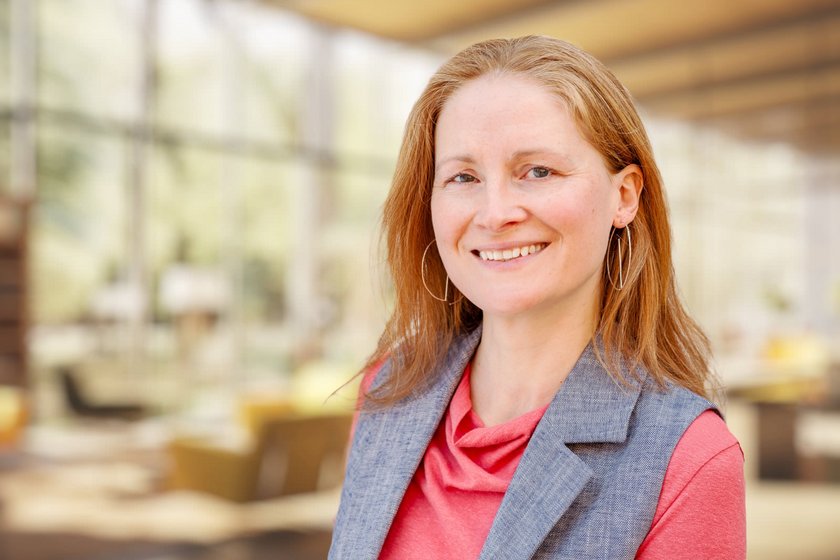
Christine Carius has been working in the field of e-health and telemedicine since 2006 and has extensive expertise in the design, implementation and evaluation of telemedical care programs. As a project manager and project leader, she has been responsible for numerous research projects - from acquisition to successful completion - in the fields of telemedicine, e-health, ambient assisted living (AAL) and security at telemedicine centers at Charité - Universitätsmedizin Berlin and HDZ NRW. Since 2020, she has been Co-Managing Director of telmedicon GmbH, a specialized B2B consulting company for telemedicine. telmedicon GmbH primarily advises clients from the DACH region, but is also active throughout Europe. Her consulting focus is on business model development, market access strategies and supply management. She is also a lecturer in telemedicine at the AKAD University of Applied Sciences and conducts research on innovation and crisis management at the Christian-Albrechts University in Kiel.
What are so-called “mini clinics”, “minute clinics” or “walk-in clinics”?
Christine Carius: Mini clinics, also known as minute clinics or walk-in clinics, are low-threshold medical care services that are characterized by fast and uncomplicated treatments. They are usually located in central locations such as pharmacies and offer a flexible alternative to traditional GP care and video-only consultations that patients can use from home.
In many cases, no appointment is necessary - patients can drop by spontaneously to receive advice and, if necessary, treatment for acute complaints or preventative measures. Care is usually provided by specially qualified healthcare professionals such as nurses or physician assistants, often in combination with telemedical support from doctors. Telemedicine plays a key role here, as medical expertise can be integrated into the treatment process as required without the need for doctors to be present on site.
What are so-called “mini clinics”, “minute clinics” or “walk-in clinics”?
Christine Carius: Mini clinics, also known as minute clinics or walk-in clinics, are low-threshold medical care services that are characterized by fast and uncomplicated treatments. They are usually located in central locations such as pharmacies and offer a flexible alternative to traditional GP care and video-only consultations that patients can use from home.
In many cases, no appointment is necessary - patients can drop by spontaneously to receive advice and, if necessary, treatment for acute complaints or preventative measures. Care is usually provided by specially qualified healthcare professionals such as nurses or physician assistants, often in combination with telemedical support from doctors. Telemedicine plays a key role here, as medical expertise can be integrated into the treatment process as required without the need for doctors to be present on site. These permanently installed contact points offer simple, secure access to telemedical advice, diagnostics and treatment. They are equipped with modern diagnostics, service and AI technology as well as medical materials. Although they operate without staff
What advantages do mini clinics offer compared to traditional doctors' surgeries and hospitals, particularly in terms of accessibility and costs, but also in the care of the chronically ill or in the context of prevention?
Christine Carius: Mini clinics improve medical care, particularly in regions with a low density of doctors and in rural areas, where the distance to the nearest doctor's surgery can be long. They offer people with limited access to healthcare a low-threshold alternative.
The possible applications vary depending on the concept: If a medical professional is required on site, opening hours are usually limited. Health boxes without staff, on the other hand, enable telemedical advice around the clock. While diagnostics and consultations are also possible in these boxes, certain services - such as vaccinations - can only be carried out in mini clinics with medical staff. Both models help to relieve the burden on emergency rooms and doctors' surgeries by taking over routine examinations, vaccinations and the treatment of minor illnesses.
Mini clinics are also economically advantageous. They are often more cost-effective than emergency rooms or visits to specialists, as they cover a clearly defined range of services and benefit from scaling effects thanks to standardized equipment and central procurement. In addition, optimized processes enable efficient care, particularly for routine examinations, medication checks or the treatment of minor illnesses. They can be a useful addition for chronically ill people, as regular check-ups can be offered at low thresholds and in a way that conserves resources.
Mini clinics are becoming increasingly important in the area of prevention. They facilitate access to health checks and screening programs. The use of telemedicine enables regular consultations with specialists, ensuring continuous care and avoiding unnecessary journeys for patients.
Companies also benefit from mini clinics - both in occupational medicine and in occupational health management (OHM). Health boxes at company locations can support occupational health care by enabling quick telemedical consultations and basic diagnostic examinations. This avoids waiting times in doctors' surgeries and allows health concerns to be clarified at an early stage.
As part of workplace health promotion (WHP), mini-clinics also offer low-threshold preventive services such as vaccination programs or health checks directly at the workplace. This facilitates access to preventive measures and can help to reduce sickness-related absences in the long term. Mini-clinics can also be a useful addition to healthcare on a university campus with many students.
What role do healthcare professionals play in the implementation of mini-clinics?
Christine Carius: Healthcare professionals such as nurses, physician assistants or medical assistants play a central role in the implementation of mini-clinics. They collect anamnestic information, carry out basic diagnostics and perform standardized treatments. In more complex or unclear cases, they consult doctors via telemedicine.
Which digital and technological solutions are crucial for the successful operation and further development of mini clinics?
Christine Carius: Digital and technological solutions are essential for the efficiency and scalability of mini clinics. Telemedicine services such as video consultations or chats significantly expand the range of services by enabling direct medical consultations.
Digital patient records and AI-supported systems are another key element. The algorithmic analysis of medical data and automated decision support can make diagnoses faster and optimize treatment strategies, leading to more efficient patient care and better treatment outcomes.
Modern diagnostic solutions such as point-of-care tests are essential for mini clinics and health boxes. Compact, patient-friendly devices enable quick laboratory tests on site. In addition, automated processes such as digital check-ins, online appointment scheduling and AI-supported symptom checkers help to optimize patient flow and minimize waiting times.
How can mini clinics be meaningfully integrated into the healthcare landscape? What collaborations may be necessary?
Christine Carius: Close links between mini clinics and GPs, specialists and hospitals are essential to ensure seamless patient care. Their successful integration into the healthcare system depends largely on networking with existing care structures.
Mini clinics are often set up in pharmacies, care facilities or community health centers, as they create synergies and facilitate direct access to medical care. Highly frequented locations such as shopping centers or train stations also offer potential for low-threshold medical care.
It is important that mini clinics and health boxes do not operate in isolation, but are seen as an integrated part of a comprehensive healthcare concept. Only in this way can they develop their full potential and ensure high-quality, patient-centered medicine.
Thank you very much for the interview!
The content and statements presented in the interviews reflect the perspective of the interviewees and do not necessarily reflect the position of the editorial team.


