
The interview partners
Prof. Dr. Patrick Da-Cruz is Professor of Business Administration and Healthcare Management at the Faculty of Healthcare Management at Neu-Ulm University of Applied Sciences (HNU) and Academic Director of the MBA program Leadership and Management in Healthcare.
Before joining the HNU, Mr. Da-Cruz worked for renowned strategy consultancies in the pharmaceutical/healthcare sector and in management positions in companies in the healthcare industry in Germany and abroad.

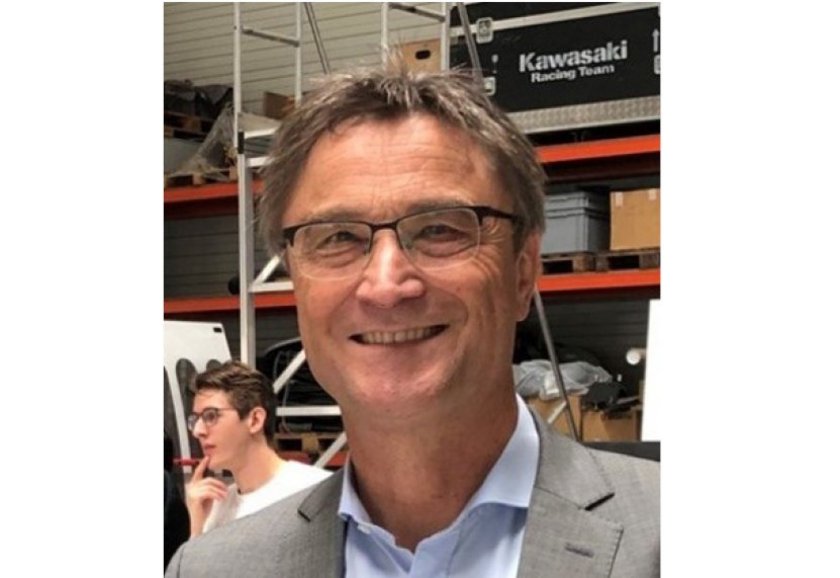
Klaus H. Kober is an experienced management consultant in the healthcare industry. He has been working as an independent management consultant since 2000 and specializes in the entire range of service providers in the healthcare industry. His experience extends in particular to the pharmaceutical and medical technology industries, and he has a particular passion for small and medium-sized companies and family businesses. Klaus H. Kober was an employer representative on the Board of Directors of Techniker Krankenkasse for 17 years; in this role, he chaired the Finance Committee. In 2024, he was appointed to the Board of Trustees of the non-profit foundation DOCS TOGETHER.net.
Germany is facing intense competition when it comes to international companies deciding where to locate. In which location factors does Germany have a good competitive position, and where are there deficits?
Klaus H. Kober: Germany's international competitiveness as a business location has both strengths and weaknesses.
Germany's strengths as a business location are
- Infrastructure: Germany has a well-developed transportation infrastructure, an efficient rail network, freeways and modern airports, which facilitates logistical accessibility. However, it should not be overlooked that large parts of the public infrastructure are dilapidated and urgently need to be renovated!
- Highly qualified workforce: The dual education system and renowned universities ensure a well-trained and specialized workforce.
- Legal and planning security: Germany offers a stable political and economic environment as well as a strong constitutional state, which is an important factor for investors.
- Research and innovation: Germany is a leader in technological development, particularly in the automotive industry, mechanical engineering and renewable energies.
- Healthcare: Comprehensive healthcare and high medical standards contribute to the quality of life and attractiveness of the location.
Deficits:
- Extreme bureaucratic hurdles: Companies are often faced with long and cumbersome approval procedures as well as complex regulatory requirements. This is often exacerbated by European regulations and standards. In many cases, the digital transformation is slowed down by excessive data protection regulations. The lack of options for the rapid exchange of information between security authorities or - in the area of medical care - communication via fax are evidence of this.
- Tax and energy costs: Germany has some of the highest corporate taxes and energy costs in the world, which can hamper investment.
- Shortage of skilled workers: There are shortages particularly in the STEM fields (mathematics, IT, natural sciences, technology) and in nursing.
- Digital infrastructure: Despite progress, there is still a deficit in broadband coverage and mobile networks in both large cities and rural regions. The opportunities offered by AI are being held back by bureaucratic hurdles and excessive data protection.
- Housing and cost of living: High rents in metropolitan areas and the rising cost of living can make it less attractive for skilled workers. Rising non-wage labor costs are also a challenge for companies when it comes to remaining internationally competitive.
What role does healthcare play as a location factor?
Klaus H. Kober: The quality of the healthcare system and healthcare provision is a decisive factor in companies' choice of location - both nationally and internationally. It influences the quality of life of employees and contributes to the attractiveness of a location for skilled workers and investors.
- Employee health and productivity: High-quality medical care reduces sickness-related absences and increases productivity. The resilience of employees is of particular importance here. Psychosomatic illnesses in particular, but also musculoskeletal disorders, have been increasing disproportionately for years.
- Attractiveness for skilled workers: Highly qualified employees prefer locations with access to good medical care without long waiting times, for themselves and their families. '
- Safety and well-being: Efficient healthcare increases the subjective feeling of security and location loyalty.
- International competitiveness: Companies compare healthcare standards when making investment decisions, especially for highly qualified foreign specialists.
Can companies compete for skilled workers if there is no local hospital, doctor or pharmacy?
Klaus H. Kober: A lack of medical infrastructure can have a considerable impact on the competitiveness of companies in the market for skilled workers.
- Loss of attractiveness of the location: In regions without a hospital, doctor or pharmacy, companies find it more difficult to attract and retain skilled workers. Attractive healthcare services should be seen as location factors on an equal footing with factors such as transport infrastructure, tax rates, fiber optic availability, education and culture, etc.
- Limited quality of life: Employees prefer locations that guarantee fast medical care, especially for families with children and older people. Sufficient availability of outpatient and inpatient care facilities should also not be forgotten. In many cases, active employees have to make up for a lack of such facilities, e.g. to care for a family member in need of care. Ultimately, this is at the expense of the employer, as employees can stay at home for up to ten days in such cases.
- Consequences for the labor market: A deficit in regional healthcare provision can lead to fewer workers moving to or remaining in rural areas. This does not necessarily have to be the case, particularly in companies that predominantly offer services.
What incentives would be needed from politicians to ensure that healthcare providers settle in the area?
Klaus H. Kober: The new de-budgeting law of February 2025 for GPs is a first step in the right direction to make the profession more attractive. The abolition of demand planning by the KV should be added to this. Targeted political measures are needed to promote the establishment of healthcare providers in underserved regions. I see the following possibilities here:
- Financial incentives: subsidies, tax relief or start-up grants for doctors and pharmacies in rural areas. Municipalities can, for example, make targeted investments in the medical infrastructure of their town or municipality with the help of a “citizen participation fund”.
- Telemedicine solutions: Expanding the supply of fiber optics to promote digital healthcare services in order to ensure medical care even without a physical presence. This is also made possible by the “smart doctor's surgery”. With the help of digital solutions and the possibilities of AI, doctors can gain valuable freedom to focus more intensively on their patients. This also applies to other professions such as nursing and other healthcare professions. AI must be seen as an opportunity and not a threat.
- Infrastructure expansion: In an OECD comparison, we rank 36th out of 38 countries in terms of high-speed internet provision. However, this is the basic prerequisite for access to medical centers
- Regional care models: Cooperation between doctors, clinics and care facilities to ensure comprehensive healthcare.
- Incentive systems for prospective doctors: deployment of medical students in rural regions for a certain period of time after graduation.
What can companies do to improve healthcare in rural areas?
Klaus H. Kober: Companies can actively contribute to ensuring medical care for their employees and their families.
- Company healthcare: Setting up company doctors, company pharmacies or cooperations with mobile health services. Close cooperation with doctors in private practice should be practiced at a location.
- Telemedical support: Provision of digital health services for employees to facilitate access to medical advice.
- Cooperation with regional players: cooperation with municipalities to promote medical services such as group practices or health centers.
- Promotion of medical professionals: Supporting training programs for medical staff and scholarships for medical students with ties to rural regions.
- Employee incentives: provision of health benefits as part of employer benefits to make the location more attractive. In this context, the company provident fund is experiencing a renaissance. Originally established to provide financial support for sick employees, it fell into oblivion after the Second World War, as the system of statutory and private health insurance offered adequate protection. In addition to significant tax advantages, the provident fund as a “social benefit” offers employees the opportunity to secure special health benefits that cannot be offered by health insurance companies. This applies in particular to access to procedures in the field of alternative and/or complementary medicine.
A combination of political measures and entrepreneurial initiatives can sustainably improve healthcare, especially in rural regions, which will strengthen the competitiveness of companies in the long term.
Thank you very much for the interview!
The content and statements presented in the interviews reflect the perspective of the interviewees and do not necessarily reflect the position of the editorial team.


