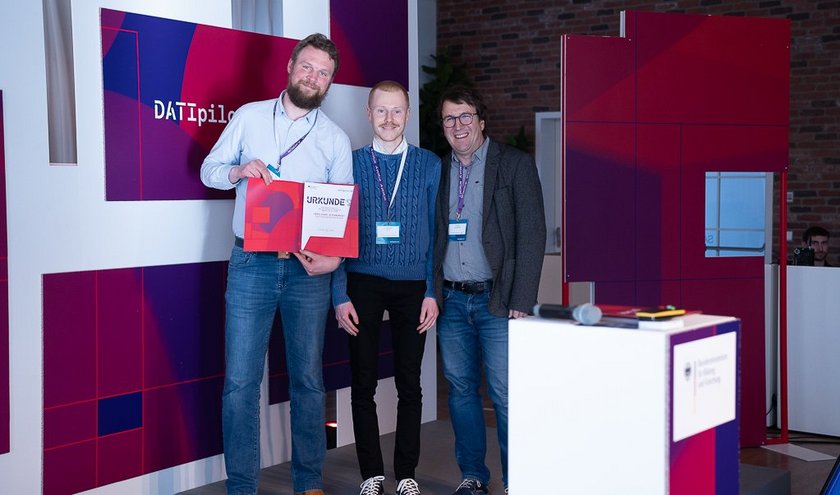
Project Presentations

They showcase the full spectrum of knowledge transfer activities at HNU: Six diverse projects are in the running for the 2026 Innovation Award Transfer, which will be presented on June 22, 2026, at Vöhlinschloss in Illertissen. The nominees are already offering a glimpse into their work: What makes the submitted projects special? What does knowledge transfer mean for those involved from academia and industry—and what have they gained from the collaboration?

All projects will be presented here in alphabetical order leading up to the awards ceremony—stay tuned! 
Accessible Packaging

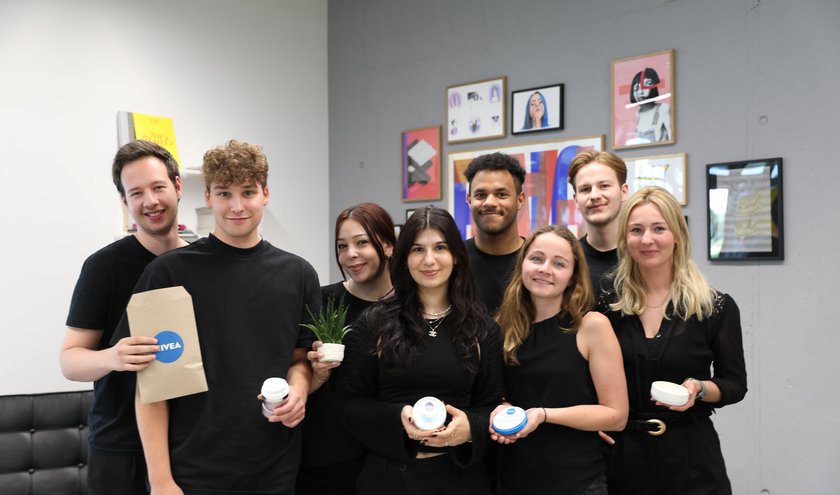
Optimizing product packaging to better meet the needs of people with cognitive or motor impairments: Students have teamed up with Nivea to tackle this important challenge. Their innovative solutions for accessible product design promote social inclusion and participation among this target group. 

Geothermal Energy Dialogue 

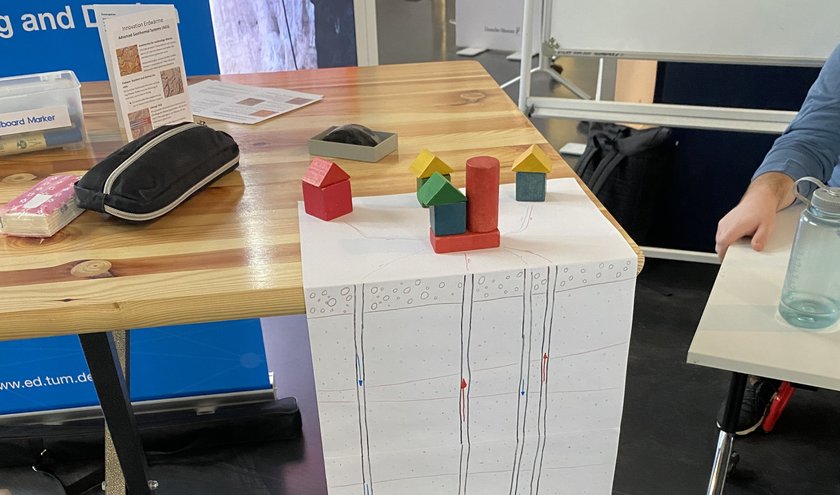
Geothermal energy is regarded as a key component of the energy transition – yet many people lack knowledge about the technology and its potential. Robin Renoth addressed the question of how this knowledge can be communicated in an accessible way in his project “Dialog Geothermie”: he guided students in bringing science about geothermal energy directly into the public sphere.

FLOAT

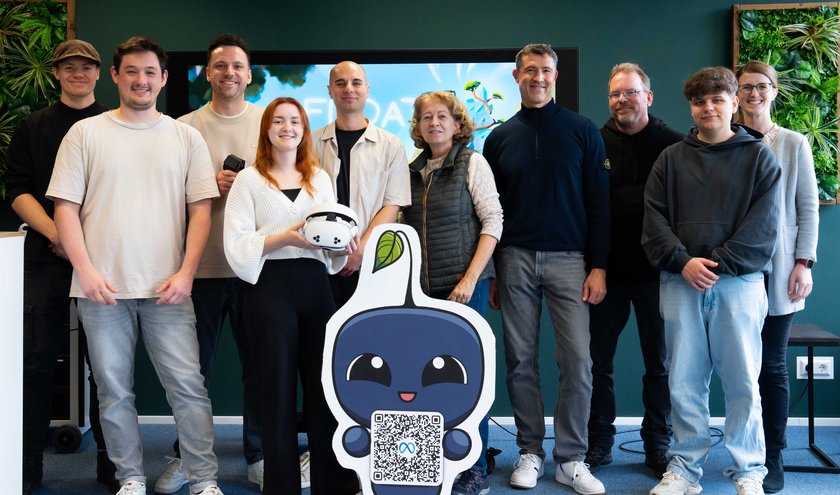
How can modern prosthetics be made both more affordable and more effective? The key lies in data—more specifically, in motion data from the human hand. The VR game “FLOAT,” developed by HNU students in the Game Production and Management program, makes such data collectable and usable. 

Girls' Research Camp

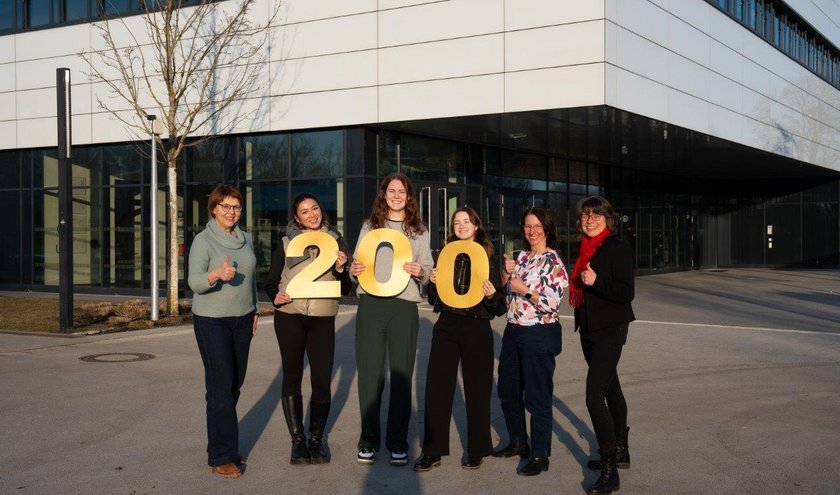
How does a “smart home” actually work—and how does an idea become a smart device? At the 2023 Girls’ Research Camp, organized by HNU in collaboration with BSH Hausgeräte GmbH, high school students spent four days immersing themselves in the world of the Internet of Things. They programmed, experimented, and, at the same time, developed a passion for computer science and STEM subjects. 

MeH MoS

What happens after acute care, when people with acquired brain injuries need to return to their daily lives? The MeH MoS project (People with Acquired Brain Injuries in the Model District of Swabia) focuses on this critical phase in the lives of those affected: In collaboration with healthcare and social integration service providers, the HNU has developed new approaches to ensure better-coordinated, needs-based care in Swabia.

stand-by.care

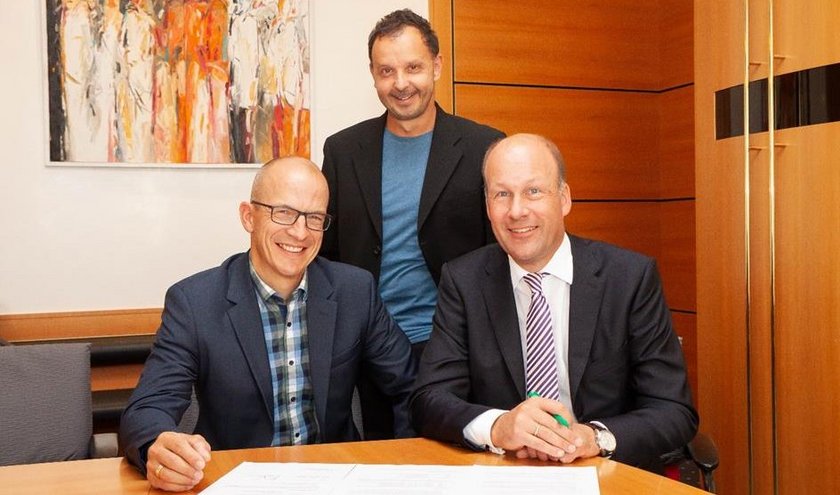
What happens if no one is around to call for help in an emergency? For millions of seniors living alone, this uncertainty is a daily reality—and for HNU Professor Johannes Schobel and Claus Allgaier of artiso solutions GmbH, it was the impetus to develop an innovative solution together: The stand-by.care project addresses this issue with a smart assistance system that monitors daily activities in the background and alerts family members if something is wrong.