- Name
- Prof. Stephanie Reiner
- Faculty/Department
- Information Management
- Purpose
- Erasmus+ Staff Mobility for Training
- Host Institution
- Bell Language School
- Location
- Cambridge, Great Britain
- Period
- September 2024
What was your main motivation to go abroad?
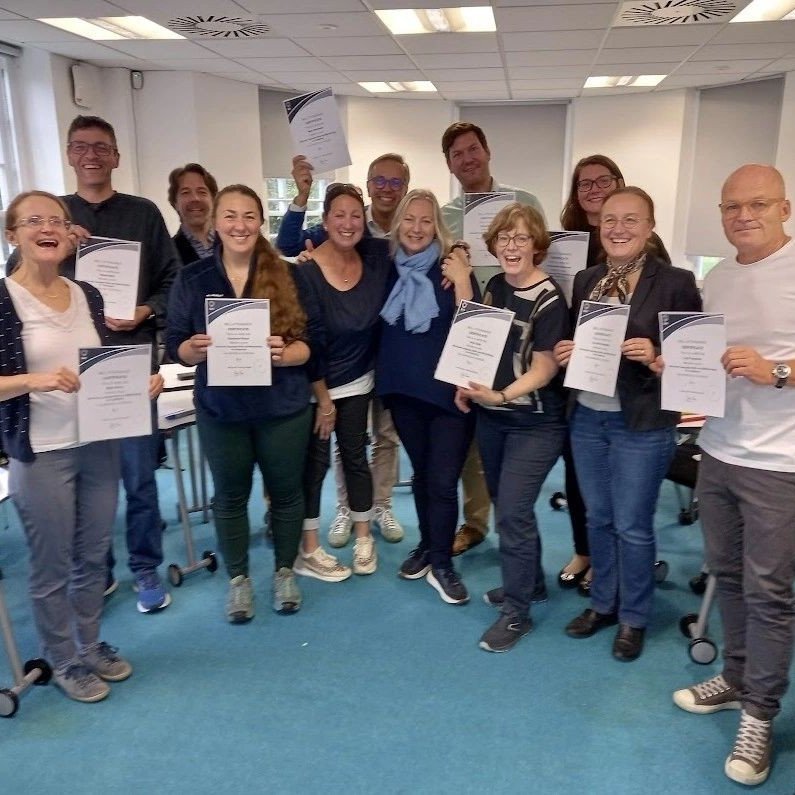
I took part in the three-week intensive language training at the Bell Language School in Cambridge because I wanted to specifically develop my teaching skills in an international context. My aim was not only to improve my English skills, but also to explore didactic methods for teaching at university level in English. A key focus of the training was the so-called EMI method (English Medium Instruction) – a didactic approach that provides targeted support to students from diverse linguistic backgrounds in English-taught courses. This method is particularly well-suited to multicultural learning groups, which are becoming increasingly common at universities of applied sciences (HAWs) in Bavaria.
Cambridge ‒ a place of inspiration
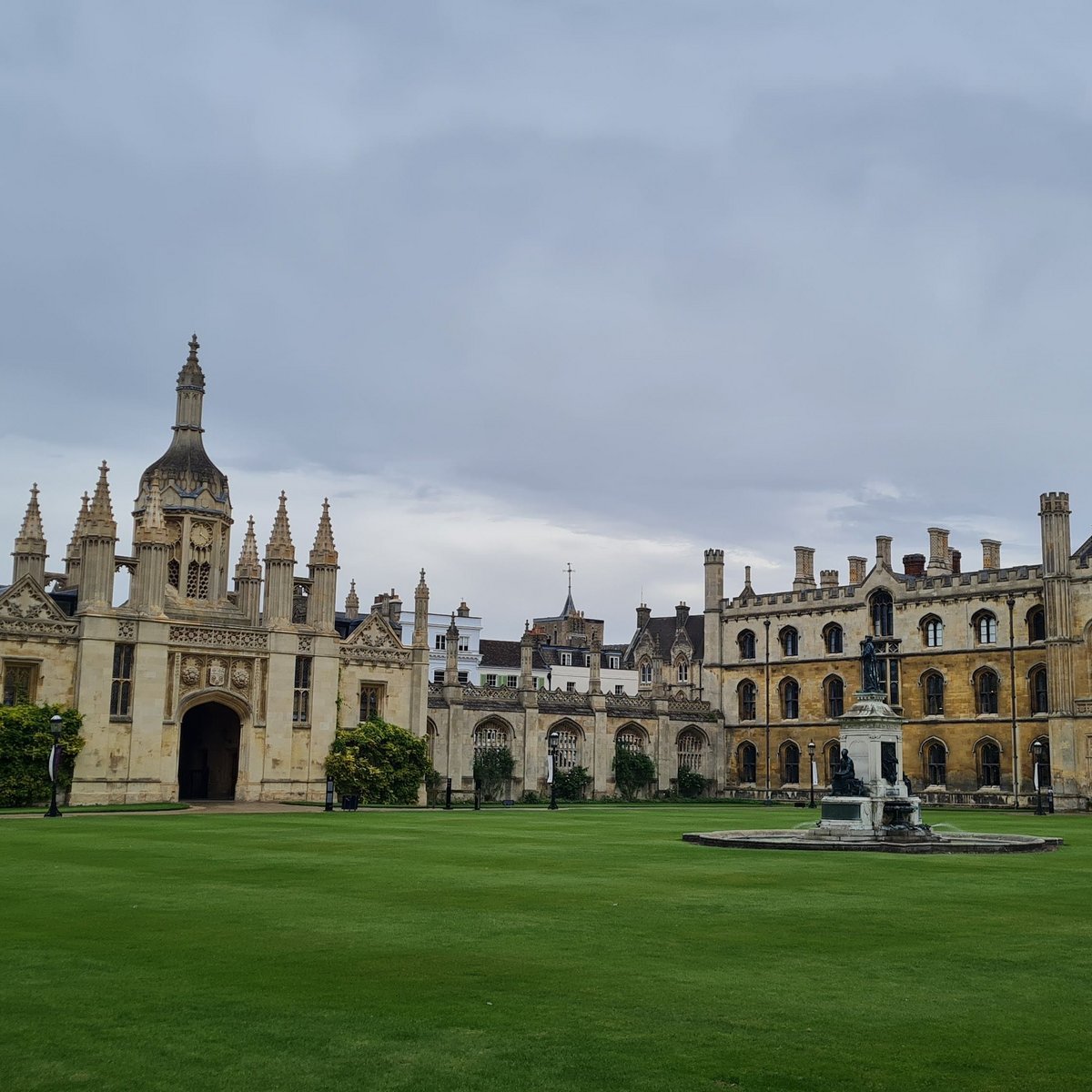
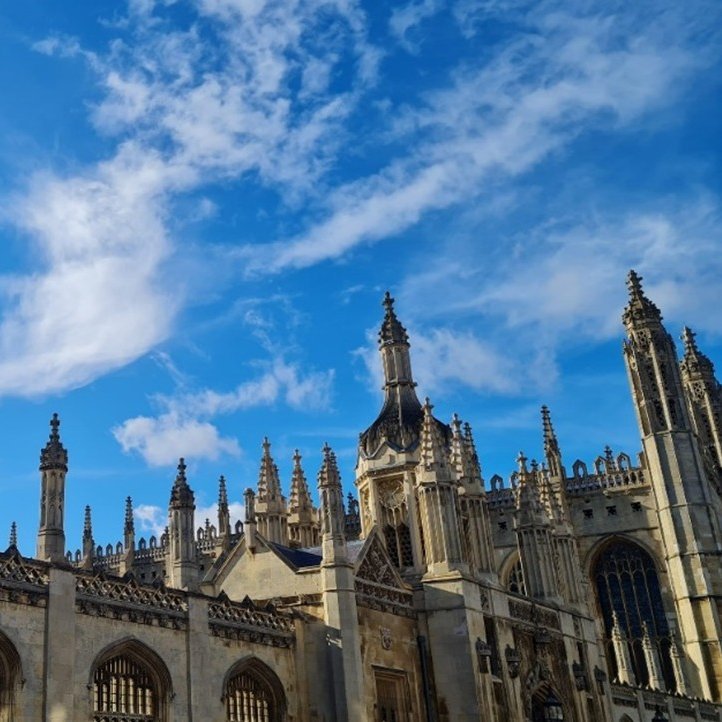
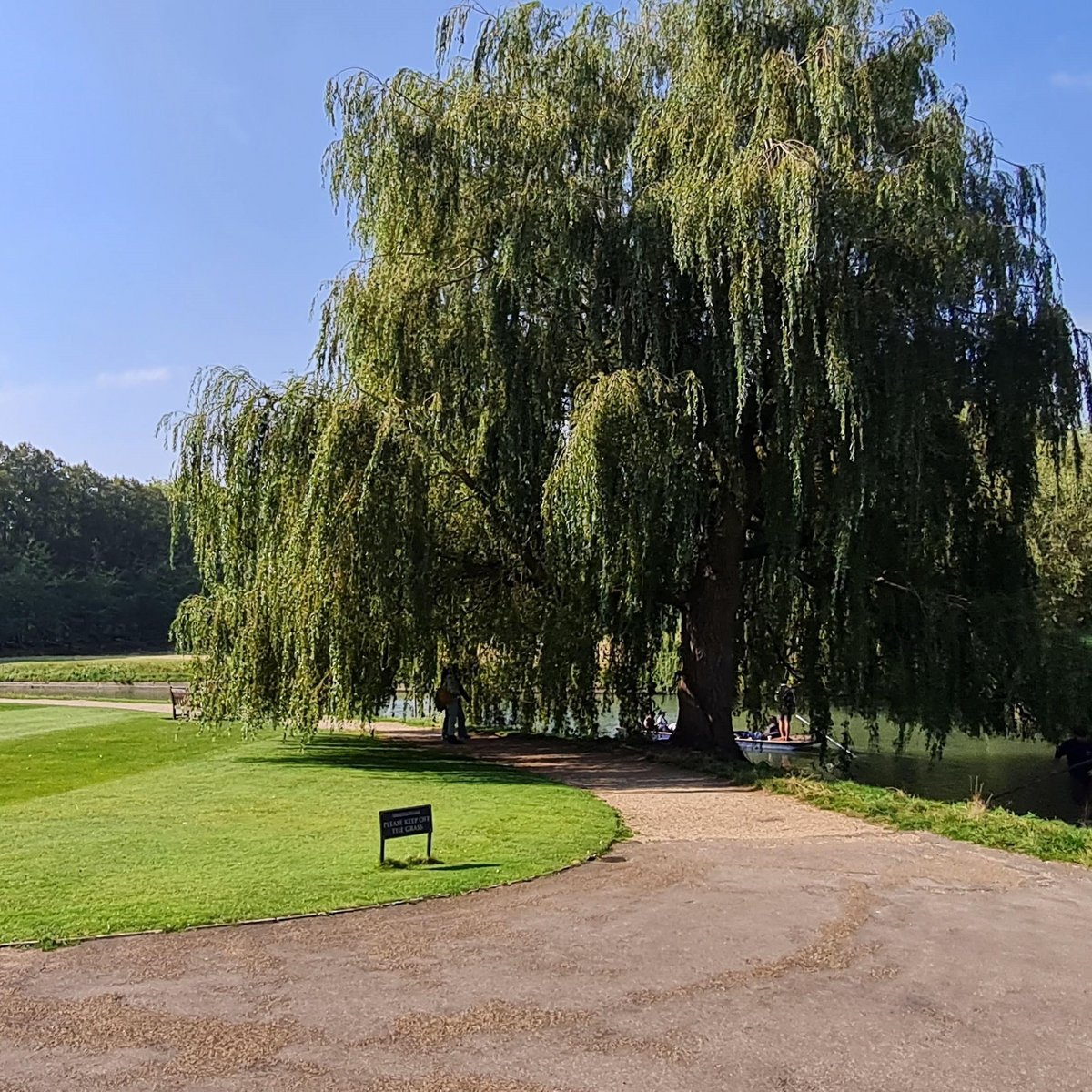
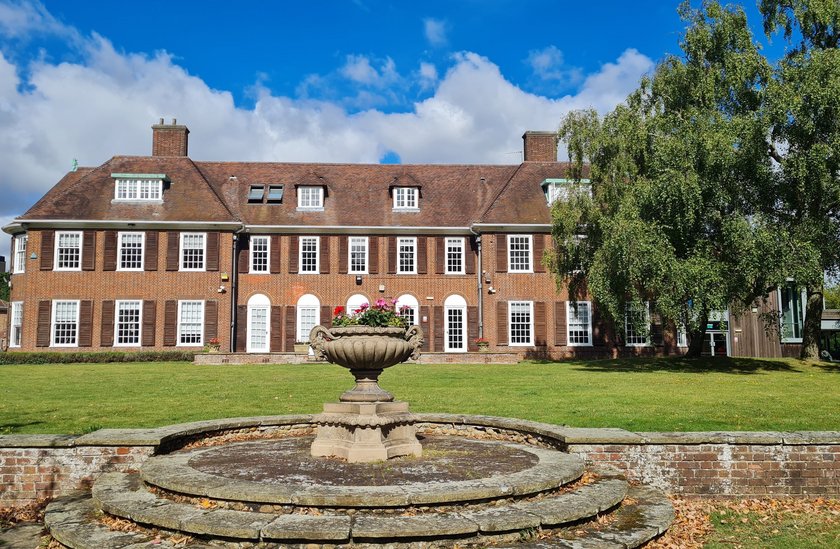
In addition to the academic content, the intercultural exchange was particularly enriching. The training offered valuable insights into British learning culture and learner-centred teaching approaches. Cambridge is a fascinating destination: the city combines academic excellence and centuries-old tradition with a vibrant, international culture. Among historic colleges, expansive parks and idyllic riverside landscapes, it is not only a great place to study, but also to relax and explore. Whether taking a walk through the venerable university gardens, going on a punting tour along the River Cam, or visiting one of the many museums – Cambridge offers an inspiring environment for both personal and professional development. At the same time, the city nurtures a keen awareness of cultural nuances – an aspect that plays a key role in English-medium higher education and became even more tangible for me through this stay.
Did you have any concerns?
At the start of my trip, I had no concerns – I felt well prepared, and everything had been excellently organised by BayZiel. Although living with a host family was unfamiliar at first, it turned out to be a real stroke of luck: over shared dinners, I learned a great deal about British culture – and in my "host mother", I found an attentive listener for my doctoral project.
Whether taking a walk through the venerable university gardens, going on a punting tour along the River Cam, or visiting one of the many museums – Cambridge offers an inspiring environment for personal and professional development.
Would you recommend going abroad? Why?
Absolutely! Throughout my many years of research work in European education projects, I have experienced just how enriching collaboration with people from different linguistic and cultural backgrounds can be. Especially in light of the internationalisation of higher education, it is essential to prepare students for the fact that diversity in accents and ways of expression is the norm – not the exception. English has long since become a global lingua franca and is no longer reserved solely for native speakers. An accent is not a flaw, but rather an expression of linguistic identity and cultural diversity. In Cambridge, I learned how such an attitude can help both students and lecturers to engage in communication in a foreign language with greater linguistic confidence and intercultural competence. In the European context, this inclusive understanding of language is particularly evident in the concept of Euro-English: a functional, multilingual form of English that flexibly adapts to different communication situations and deliberately moves away from the idea of linguistic perfection. It creates a common linguistic foundation for exchange and cooperation in Europe, placing openness and mutual respect at its core. In doing so, it also strengthens the European community of values. In this context, the intensive language training offered by BayZiel provides an excellent opportunity for linguistic, intercultural and didactic development – practical, interactive, and set in an inspiring academic environment.
Fun Fact
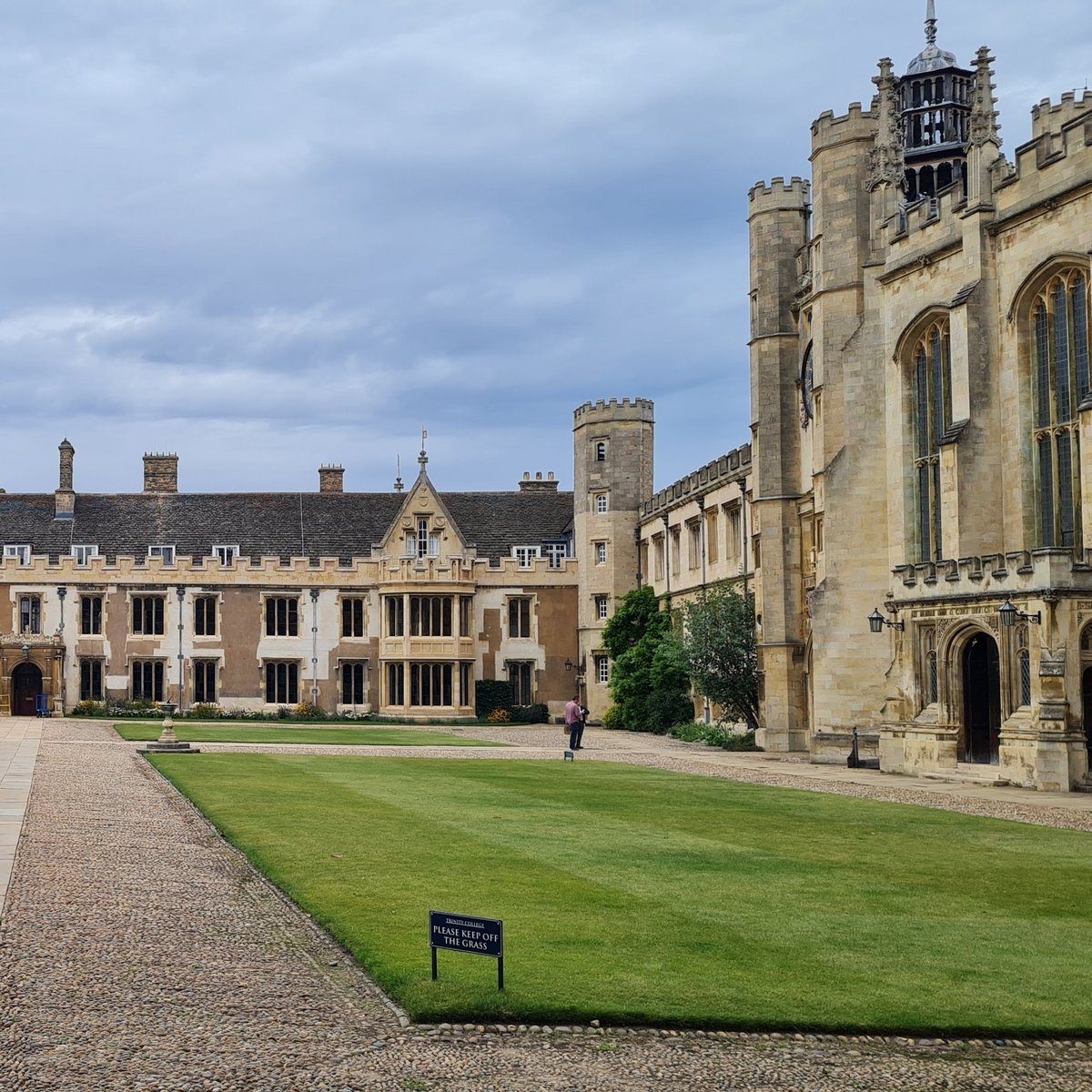
In Cambridge, the well-kept lawn enjoys an almost cult-like status. Signs such as “Please keep off the grass” serve as a reminder that green spaces here are not simply public – they symbolise tradition, order, and academic exclusivity. At some colleges, only selected individuals are permitted to walk on the grass. Imagine a sign at Neu-Ulm University reading: “Please do not enter Wiley Park (for university members only).” It would likely raise eyebrows or elicit a chuckle – and perhaps even spark a public debate. In Germany, public spaces like campus lawns are generally freely accessible. The idea that green areas might be reserved for a specific group runs counter to the widely held ideal of participation – also in the context of education. Since my stay in Cambridge, Wiley Park has often reminded me just how differently educational spaces can be shaped. I was also inspired in this reflection by the art project "Dinky Doors (opens in a new window)" in Cambridge – a collection of lovingly crafted miniature doors hidden throughout the city. These mysterious little doors invite you to explore the city with a curious eye, discover hidden stories, and let your imagination unfold.
What did you learn form your stay abroad?
From a higher education didactics perspective, my stay in Cambridge was a great benefit: during the EMI training, I was introduced to practical methods such as Instruction Checking Questions (ICQ) and Concept Checking Questions (CCQ). These techniques not only enhance interaction with students but also help to reduce language barriers and encourage learners to use English as a means of communication. A key component of this approach is the promotion of metacognitive learning strategies – for example, by reflecting on subject-specific English terminology or encouraging thought processes that enable students to take conscious control of their learning. What I particularly take away from my time in Cambridge is the central importance of metacognitive competencies in higher education – especially in an English-speaking context. Students should be supported not only in what they learn, but also in how they learn. Only then can they navigate complex learning environments with confidence and at the same time acquire the necessary tools to meet the demands of a globalised and dynamic world of work.
Were your expectations met?
My backpack of expectations was well packed when I set off for Cambridge. I wanted to further develop my linguistic and didactic skills specifically for teaching in English – and finally gain an authentic insight into British culture. This was particularly appealing to me because I had already spent time on several language stays in Malta and had developed a personal connection to Maltese culture. There, I had seen how deeply the society is shaped by its British colonial history. These experiences had sparked my curiosity about the United Kingdom itself – its academic culture, teaching traditions, and social contexts. I returned with far more than I had expected: in addition to solid knowledge of EMI methodology and practical teaching strategies, it was above all the interdisciplinary and intercultural exchange that made my stay so enriching. Numerous unplanned learning moments – in conversations, in the seminar room, or simply while exploring the city – gave me valuable impulses for a reflective, culturally sensitive approach to higher education teaching.
Is there anything you would like to highlight about your experience abroad?
A particular added value of my stay – especially in my role as a junior professor – was the intensive exchange with other, in some cases very experienced, university lecturers. The discussions offered me valuable insights into different academic disciplines and their didactic approaches in English-taught courses. I was especially inspired by the discussion on the use of artefacts in teaching – that is, real objects used as prompts for subject-related content. This perspective has fundamentally broadened my view of how to design teaching and learning situations. While the use of artefacts is widespread in the natural sciences, I had hardly worked with them as a business economist – something that has since changed significantly. In my lecture on specialised business administration, for instance, I now bring in (unused) shoes and pose the question: how many components make up a shoe? This tangible introduction provides an accessible entry point to key topics such as corporate management and materials logistics, while also sparking curiosity and encouraging active student participation. By linking an everyday, familiar object to a business-related question, a complex topic becomes immediately tangible – a didactic approach that works on both cognitive and emotional levels and supports sustainable learning. In English-medium higher education in particular, the use of artefacts proves to be especially effective: they promote multisensory learning and make it easier to access complex subject matter. At the same time, they help overcome language barriers and support the development of language skills by contextualising content and encouraging active engagement. Everyday objects – such as a simple shoe – create emotional resonance and open up intercultural perspectives. A seemingly ordinary object can thus become the starting point for discussions on production conditions, consumer behaviour, or design trends in different countries – and thereby initiate not only subject-related but also social and intercultural learning processes.
Impressions of Great Britain